
Existing coating
We check whether the old paint is firm enough to retain or whether weak layers need scraping before repainting.
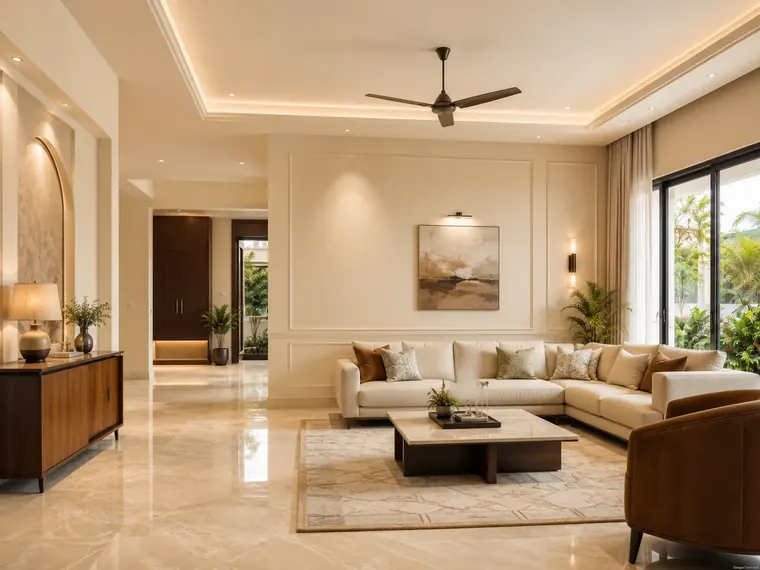
Interior painting services for Hyderabad flats, villas and commercial spaces, planned with room-wise wall checks, suitable preparation, material guidance and neat execution.
Plan the Repaint
A reliable interior repaint begins by separating cosmetic refresh work from walls that need repair, levelling or moisture attention. We review each room independently so the preparation, finish and work sequence match the actual condition of the home.
We check whether the old paint is firm enough to retain or whether weak layers need scraping before repainting.
Hairline cracks, damp marks, patch repairs and uneven areas are identified before putty, primer or finish coats are planned.
Washability, sheen and maintenance needs are considered differently for living areas, bedrooms, passages and high-use spaces.
Furniture movement, masking, drying time and room-by-room access are planned to reduce disruption during execution.
Choose by Room Use
Paint selection is more useful when it is based on cleaning needs, light, traffic and the condition of the wall—not only on a brand name or shade card.
Smoother, washable emulsions are often practical where walls remain visible throughout the day and receive regular contact.
A restrained finish can reduce glare and keep the room calm while still allowing reasonable maintenance.
Frequently touched walls may benefit from better washability and a finish that tolerates routine cleaning.
Where walls are sound and the goal is a straightforward refresh, a simpler emulsion system may be sufficient.
Final material, coat count and preparation scope are confirmed after inspection. Product options from established paint brands can then be compared within the agreed budget and finish direction.
Preparation Triggers
These conditions affect the amount of repair, drying time and surface preparation required before the final paint system can begin.
Loose layers should be removed and the underlying surface checked before a new coating is applied.
Local filling, sanding or broader levelling may be needed where light exposes surface irregularities.
The source should be understood before repainting; colour coats alone should not be used to conceal active dampness.
Protection, room sequence and working hours are planned around how the home is being used during the project.
Execution Roadmap
We note coating strength, repairs, moisture signs, lighting, furniture movement and the expected finish.
The quotation separates repair work, primer or putty needs, finish coats and any room-specific requirements.
Masking and floor protection are followed by the agreed preparation and coat application, usually room by room.
Completed surfaces are reviewed for visible misses, touch-ups and general cleanliness before handover.
Book a Free Visit
Book a free site visit to check wall condition, discuss shade and material options, and get a clearer quotation with suitable preparation planning.
Available Across Hyderabad
We arrange interior painting site visits across Gachibowli, Manikonda, Kokapet, Narsingi, Tellapur, Tolichowki, Bandlaguda Jagir, Lingampally, Financial District and nearby Hyderabad areas. For shared planning standards, see Hyderabad painting cost guide.
Local Work Evidence
For completed interior painting work, Red Home Services records the property type and locality, starting wall condition, agreed preparation, paint system, room sequence, approximate duration and final handover. Customer-specific details and photographs are published only after permission.
We record coating strength, cracks, dampness signs, repair needs, furniture protection and the room-wise sequence agreed before painting.
The approved scraping, filling, putty, primer and finish-coat scope is documented room by room so the completed work can be compared with the quotation.
Final checks cover visible misses, edges, repaired areas, cleanup and approved completion photographs or customer feedback where permission is available.
No customer name, exact address, private photograph, review or completion claim is published without approval. View the verified Google Business Profile and published reviews →
Frequently Asked Questions
Practical guidance on wall preparation, putty and primer, washable finishes, occupied-home execution, colour approval, quotations, timelines and handover quality.
The scope may include room-wise measurement, inspection of the existing coating, protection and masking, scraping or sanding, minor crack and patch repair, putty where required, primer, topcoats and basic cleanup. The quotation should state which steps apply to each wall rather than using one generic description.
The surface is checked for peeling, chalking, hollow plaster, stains, dampness and poor adhesion. Sound paint may only need cleaning and sanding, while unstable layers should be removed until a firm base is reached. Repainting over weak paint transfers the old failure into the new system.
No. Full putty is useful when a smoother, more uniform surface is required or when the wall has widespread undulations. A sound repaint may need only local patching. Applying unnecessary putty increases cost, dust and project time without automatically improving a stable wall.
Primer is commonly required over new putty, repaired patches, porous surfaces, strong colour changes or where the selected system specifies it. It helps create a more uniform base and improves adhesion. The correct primer depends on the substrate and moisture condition.
Cosmetic hairline cracks may be repaired with a suitable filler before painting, but recurring or moving cracks can return. Wider, diagonal or repeatedly reopening cracks should be assessed separately because paint and putty are not structural repair materials.
The likely moisture source should be identified before decorative work. Loose paint and damaged putty are removed only after the source is addressed and the surface is suitable for the selected repair system. Direct repainting can trap the problem and cause early failure.
The choice depends on appearance and cleaning demand. Lower-sheen finishes give a softer look but show marks differently; washable low-sheen or satin-type products may suit active living areas and kitchens. Bedrooms often prioritise calm appearance and low odour. Product performance should be checked, not inferred from sheen alone.
No. Washability varies by product, stain type, curing time and cleaning method. Even premium coatings can burnish or mark if scrubbed aggressively. Gentle cleaning with the manufacturer-recommended method is safer, and freshly painted walls should be allowed to cure before washing.
Shade direction is considered with daylight, artificial lighting, floor and furniture colours, room size and desired mood. For critical shades, a physical sample on the actual wall is recommended because phone screens and small shade cards do not show the complete room effect.
Yes, but the system may need additional preparation, primer or extra topcoat coverage depending on the old and new shades. The quotation should account for colour transition so the final finish is not patchy or uneven.
Yes. A room-by-room plan can keep part of the home usable. It should define furniture movement, masking, ventilation, daily cleanup and when each room can be reoccupied. Extra care is advisable for children, pets, elderly residents or people sensitive to dust and odour.
Protection is selected according to the work. Floors and fixed elements are covered or masked, movable furniture is shifted or wrapped, and hardware is protected where practical. Heavy dismantling, appliance moving or specialist protection should be identified before work begins.
Sanding and scraping create dust, while odour depends on the chosen product and ventilation. Mechanical sanding with dust control, local isolation and daily cleaning can reduce disruption. Water-based interior systems generally have lower odour than many solvent-based coatings, but rooms still need ventilation and curing time.
The duration depends on paintable area, number of rooms, surface repairs, putty work, drying time and whether the home is occupied. A simple repaint can be faster than fresh painting or dampness correction. The final programme is shared after the site condition is verified.
Cost is based on measured paintable area, existing wall condition, preparation level, primer and putty requirements, paint grade, number of coats, colour changes, protection needs and access. Carpet area alone does not accurately represent the wall and ceiling area being painted.
It should list rooms and surfaces, preparation method, product line, coat system, ceiling and trim inclusion, colour count, protection, cleanup, timeline, exclusions, payment stages and any applicable workmanship assurance. This makes quotations easier to compare and reduces later disputes.
Inspect in daylight and normal room lighting for uniform coverage, roller or brush marks, patch visibility, edges around ceilings and fittings, repaired cracks, drips and cleanup. Touch-ups should be completed after the main coating has dried enough to judge the finish correctly.
Avoid washing or rubbing until the coating has adequately cured. Use a soft cloth and mild cleaning method recommended for the product, address water leaks quickly and avoid repeated impact from furniture. Keep leftover shade and product details for future touch-ups.
Get in touch
Discuss wall condition, preparation, shade preferences and paint options before quotation.
GGoogle Business ProfileLocation, reviews and business informationView profile →