
Surface Suitability Check
We check whether doors, shutters, panels or metal/wood surfaces are suitable for smooth finish work.
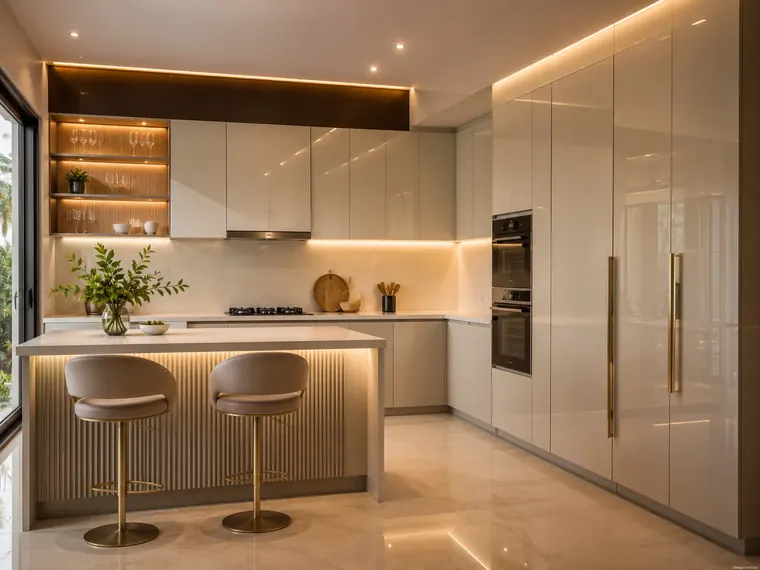
Duco painting for Hyderabad doors, wardrobes, cabinets and furniture, planned with base levelling, sanding, primer build, spray application and gloss, semi-gloss or matte finish selection.
Service Overview
Duco paint work needs careful surface preparation and finish control, especially for shutters, doors and selected wood or metal elements. Red Home Services helps plan the substrate work and finish approach before execution.
We check whether doors, shutters, panels or metal/wood surfaces are suitable for smooth finish work.
Filling, sanding, primer and preparation are considered before the final coating.
Gloss, satin, colour and durability expectations are discussed before quotation.
Material Guidance
For selected doors, grills, shutters or metal/wood surfaces where a tough glossy painted look is required.
For customers who want better gloss, smoother appearance and improved surface aesthetics.
For selected wooden surfaces where a premium smooth finish depends on stronger base preparation.
For colour-customised or high-end finishes where smoothness, durability and finish expectation are carefully discussed.
Common Issues We Address
Preparation and finishing are planned to upgrade the look of selected surfaces with a smoother paint finish.
Duco paint is considered when the customer wants a cleaner, more refined finish than a standard brush-painted appearance.
We inspect whether levelling, filling or primer work is needed before the final finish is applied.
We guide the look based on practical use, maintenance expectations and the condition of the item being painted.
How It Works
We check wood/metal condition, old coating, defects and finish expectation.
Sanding, filling, primer and smoothing are planned for the selected surface.
The chosen enamel or PU direction is applied carefully for cleaner appearance.
Final sheen, smoothness and touch-ups are checked before handover.
Book a Free Visit
Book a free site visit to inspect the surface and discuss whether duco paint is the right finish direction for your Hyderabad property.
Available Across Hyderabad
We arrange Duco paint site visits across Gachibowli, Manikonda, Kokapet, Narsingi, Tellapur, Tolichowki, Bandlaguda Jagir, Lingampally, Financial District and nearby Hyderabad areas. For shared planning standards, see how we inspect and quote work.
Local Work Evidence
For completed Duco painting work, Red Home Services records the property type and locality, component count, substrate and old coating, With Putty or Without Putty scope, selected brand and product, finish type, execution stages, approximate duration and final handover. Customer-specific details are published only with permission.
We document doors, wardrobes, cabinets, furniture or railings, surface defects, old coating, repairs, edge condition, hardware handling and spray-area protection.
The approved With Putty or Without Putty scope, sanding, primer build, Esdee, Asian Paints or Birla Opus product and gloss, semi-gloss or matte finish are recorded.
Final review covers uniformity, edge coverage, dust marks, touch-ups, handling or reinstallation timing and approved completion photographs or feedback where permission is available.
No customer name, exact address, private photograph, review or completion claim is published without approval. View the verified Google Business Profile and published reviews →
Frequently Asked Questions
Clear answers on what “Duco” means, suitable substrates, preparation, primer and putty, spray application, ventilation, sheen, durability, repair, cost and finish approval.
Duco was originally associated with nitrocellulose lacquer, but the term is now often used loosely for a smooth opaque spray finish on doors, shutters or furniture. The quotation should name the actual coating system—such as NC, PU or another approved system—rather than relying only on the word Duco.
Properly prepared MDF, wood, veneer intended to be covered, metal and some previously coated surfaces may be suitable. Laminate, flexible substrates, damp wood or weak old coatings need special assessment. Compatibility should be confirmed before sanding or priming.
It can be used where the selected coating system is appropriate for handling, cleaning, heat and moisture exposure. High-use kitchens often benefit from a more durable PU-type system rather than choosing only by the Duco label. Edge sealing and substrate quality are important.
Often yes, but old polish, enamel, laminate, dents and joints must be assessed. Preparation may include coating removal, repair, filler, sanding and compatible primer. Deep grain or movement can remain visible unless the substrate is suitable and properly levelled.
Gloss and smooth opaque coatings reveal dents, sanding marks, pinholes and uneven joints. Multiple preparation stages may be needed to level the substrate before the colour coats. The final appearance depends more on the base than on the last spray coat alone.
Usually a compatible primer or sealer and surface filler are part of the system, but the exact sequence depends on wood, MDF or metal. Wall putty should not be substituted blindly for a coating system designed for furniture or metal.
A fine spray finish is normally achieved with controlled spray application, but product and item shape determine the method. Spray work needs dust control, masking, ventilation and skilled gun technique. Brush application will not create the same appearance.
It may be possible for fixed items, but overspray, odour, ventilation and fire safety require strict control. Removable shutters or doors are often better finished in a suitable workshop. The site method should be discussed before work starts.
The work area needs ventilation, ignition-source control, protective equipment and safe handling of thinners and waste according to the product instructions. Occupants should not remain in the spray zone, and the area should be used again only after adequate ventilation and curing.
Yes, depending on the coating system. High gloss creates a premium reflective look but highlights every surface defect and handling mark. Satin or matte finishes are more restrained, though they also require consistent application and cleaning care.
A close match can be developed, but screens, substrate, primer, sheen and lighting affect appearance. A physical spray sample is the best approval reference for important colours, especially whites, greys and dark shades.
Durability depends on the actual chemistry, substrate, preparation and use. A properly specified PU system may outperform conventional enamel in some applications, while an NC-type lacquer may be easier to repair but less resistant. The product system should be identified before comparing.
No decorative coating should be described as waterproof in every condition. It may resist routine wiping and limited moisture according to its product performance, but standing water, unsealed edges, substrate swelling and leaks can still cause damage.
Preparation, primer, filling, repeated sanding, colour coats and curing are staged processes. Item quantity, repairs, dust control and weather influence the schedule. A surface may feel dry before it is hard enough for assembly or regular use.
Price depends on item dimensions, number of shutters or doors, substrate condition, repairs, level of smoothness, colour, sheen, coating chemistry, spray setup and whether items are removed to a workshop. High-gloss finishes generally demand more preparation.
Local repair is possible, but exact colour and sheen blending can be difficult, especially on high-gloss surfaces. Sometimes a complete shutter, door face or panel needs refinishing to achieve uniformity.
Use a soft cloth and mild cleaner compatible with the coating after full cure. Avoid abrasive pads, strong solvents, prolonged water and impact at edges. Care instructions should match the actual product system used.
Inspect the finish under side lighting for dust nibs, orange peel, pinholes, runs, colour variation and edge coverage. Check hardware fitting and door movement only after sufficient cure, and retain the colour and product reference for future repairs.
Get in touch
Review the surface, required smoothness, colour and finish before confirming the coating process.
GGoogle Business ProfileLocation, reviews and business informationView profile →