
Wood Condition and Old Coating Review
Old polish, scratches, dullness, open grain and surface damage are checked first.
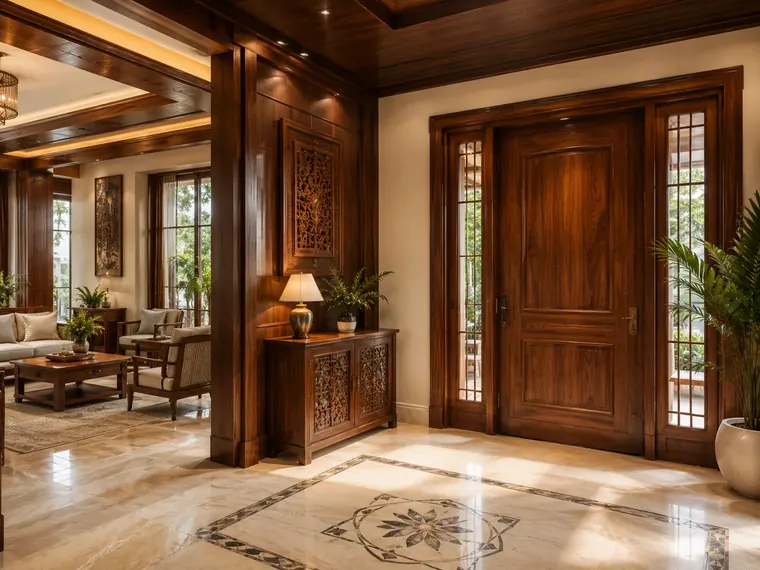
Wood polishing for Hyderabad doors, frames, windows and furniture, planned with old-coating inspection, sanding, stain direction, hand or spray application and suitable finish selection.
Service Overview
Old coating condition, scratches, dullness, open grain and the desired finish all affect how wood polish work should be planned. Red Home Services helps decide the preparation level and finishing direction for a cleaner, richer look.
Old polish, scratches, dullness, open grain and surface damage are checked first.
Clear, stained, matt, gloss, melamine or PU directions are discussed based on the item.
Work is planned with practical protection and sequencing for doors, windows and furniture.
Material Guidance
For selected interior wood where a clear protective finish and improved grain appearance are needed.
For doors, frames or furniture where better hardness, sheen and finish depth are expected.
For interior wood where low-odour direction, quicker usability and a refined surface feel may matter.
For high-end wooden surfaces where finish clarity, stain selection and premium appearance are important.
Common Issues We Address
We inspect whether sanding, cleaning and recoating can improve the look of doors, windows or furniture.
Surface correction and preparation are planned before the next polish system is applied.
We guide the finish direction based on the wood item, its use, desired look and maintenance expectations.
Work planning takes into account dust control, area protection and practical sequencing for occupied spaces.
How It Works
We check old coating, scratches, grain, defects and desired finish.
Required sanding, filling and cleaning are completed before coating.
Selected coats are applied carefully to build tone, depth and sheen.
After drying, the finish is reviewed and touch-ups are handled.
Book a Free Visit
Book a free site visit to inspect the wood condition, discuss finish options and get a clearer estimate for polishing work.
Available Across Hyderabad
We arrange wood polish site visits across Gachibowli, Manikonda, Kokapet, Narsingi, Tellapur, Tolichowki, Bandlaguda Jagir, Lingampally, Financial District and nearby Hyderabad areas. For shared planning standards, see how we inspect and quote work.
Local Work Evidence
For completed wood polishing work, Red Home Services records the property type and locality, item count or area, old coating, repairs, approved stain and finish, hand or spray process, approximate duration and final handover. Customer-specific details are published only with permission.
We document scratches, worn polish, veneer or solid-wood condition, open joints, dents, colour direction, hardware handling and surrounding protection needs.
The approved repolish or fresh-polish scope, hand or spray process, filling, sanding, stain, sealer and finish coats are recorded for each item.
Final review covers colour consistency, grain appearance, sheen, edges, touch-ups, curing guidance and approved completion photographs or feedback where permission is available.
No customer name, exact address, private photograph, review or completion claim is published without approval. View the verified Google Business Profile and published reviews →
Frequently Asked Questions
Expert answers on wood assessment, PU and melamine finishes, old-coating removal, staining, sheen, spray work, odour, maintenance, cost, restoration limits and handover.
The wood species or substrate, veneer thickness, existing coating, moisture, dents, cracks, colour variation and intended use should be assessed. A dining table, wardrobe, main door and decorative panel have different abrasion, sunlight and cleaning requirements.
French polish gives a traditional hand-rubbed appearance but generally needs more careful maintenance. Melamine is a harder clear or pigmented interior finish, while PU systems are selected for higher durability and premium finish options. Suitability depends on the surface and use, not only gloss.
Often yes, provided the wood or veneer is sound. The old coating may need cleaning, sanding or removal, and repairs may be required before the new system. Deep stains, veneer damage and water-blackened wood may not disappear completely.
Not in the same way. Laminate does not absorb stain like timber, and engineered boards may have thin veneer or factory coatings. The substrate must be identified before sanding or applying a new finish to avoid irreversible damage.
Sanding removes weak coating, levels repairs, prepares the grain and improves adhesion. It must be controlled because over-sanding can damage veneer edges, change profile detail or expose substrate. Dust removal between stages is equally important.
The tone can often be adjusted with stain or a pigmented system, but the existing wood colour, grain, repaired patches and old coating affect the result. A sample on the actual surface is recommended before applying a major colour change.
Light scratches and surface wear may improve after preparation, but deep dents, burns, water damage, open joints and discoloured timber may need repair or replacement. The quotation should distinguish finishing work from carpentry restoration.
Matte and satin finishes give a softer appearance and can hide minor handling marks better, while high gloss emphasises grain and surface preparation but shows dust and scratches more easily. The choice should match the furniture style and maintenance preference.
Spray can create a more uniform film on suitable surfaces, while brush or pad application may suit traditional systems and site constraints. The correct method depends on the coating, object shape, environment, masking and ventilation. Spray application also requires stronger overspray control.
Yes, but sanding dust, odour and curing need planning. Work zones should be isolated, ventilation arranged and nearby surfaces protected. Solvent-based systems may require residents to avoid the area for a period advised for the selected product.
Both are possible. Workshop finishing offers better dust and spray control for removable items, while fixed wardrobes and panels must be handled on site. Transport risk, hardware removal, access and the required finish quality should be discussed.
Timing depends on item quantity, old coating removal, repairs, staining, sealer, sanding between coats and curing. A coating may feel dry before it reaches handling hardness, so installation or heavy use should follow the product guidance.
Cost may be measured by surface area, number of shutters or items, and complexity. Existing condition, carving, veneer repairs, colour change, coating system, number of coats, spray setup and hardware handling all affect price.
Only a finish specifically suitable for the exposure should be considered. Interior melamine or traditional polish should not be assumed suitable for constant moisture or direct weather. Exterior timber also needs attention to joints, end grain and periodic maintenance.
Use a soft dry or slightly damp cloth and avoid abrasive pads, harsh chemicals and prolonged standing water. Coasters and mats reduce heat and moisture marks. Cleaning recommendations should match the specific coating used.
Natural grain, sapwood, heartwood, veneer matching, previous stains and repairs absorb colour differently. Samples help set expectations, but a completely uniform result may require a pigmented opaque finish rather than a clear stain that preserves grain.
Termite activity, internal wood movement, fresh moisture, veneer lifting, carpentry failure, impact, chemical damage and scratches after handover are not application defects. Any applicable coverage should be limited to the written finishing scope.
Inspect colour and sheen consistency, dust nibs, runs, edges, corners, hardware operation, repaired areas and contact points. Allow for the stated cure period before judging hardness or placing heavy objects on the surface.
Get in touch
Discuss the wood condition, existing coating, shade and finish before selecting the polishing system.
GGoogle Business ProfileLocation, reviews and business informationView profile →